Understanding Garage Door Sensor Lights
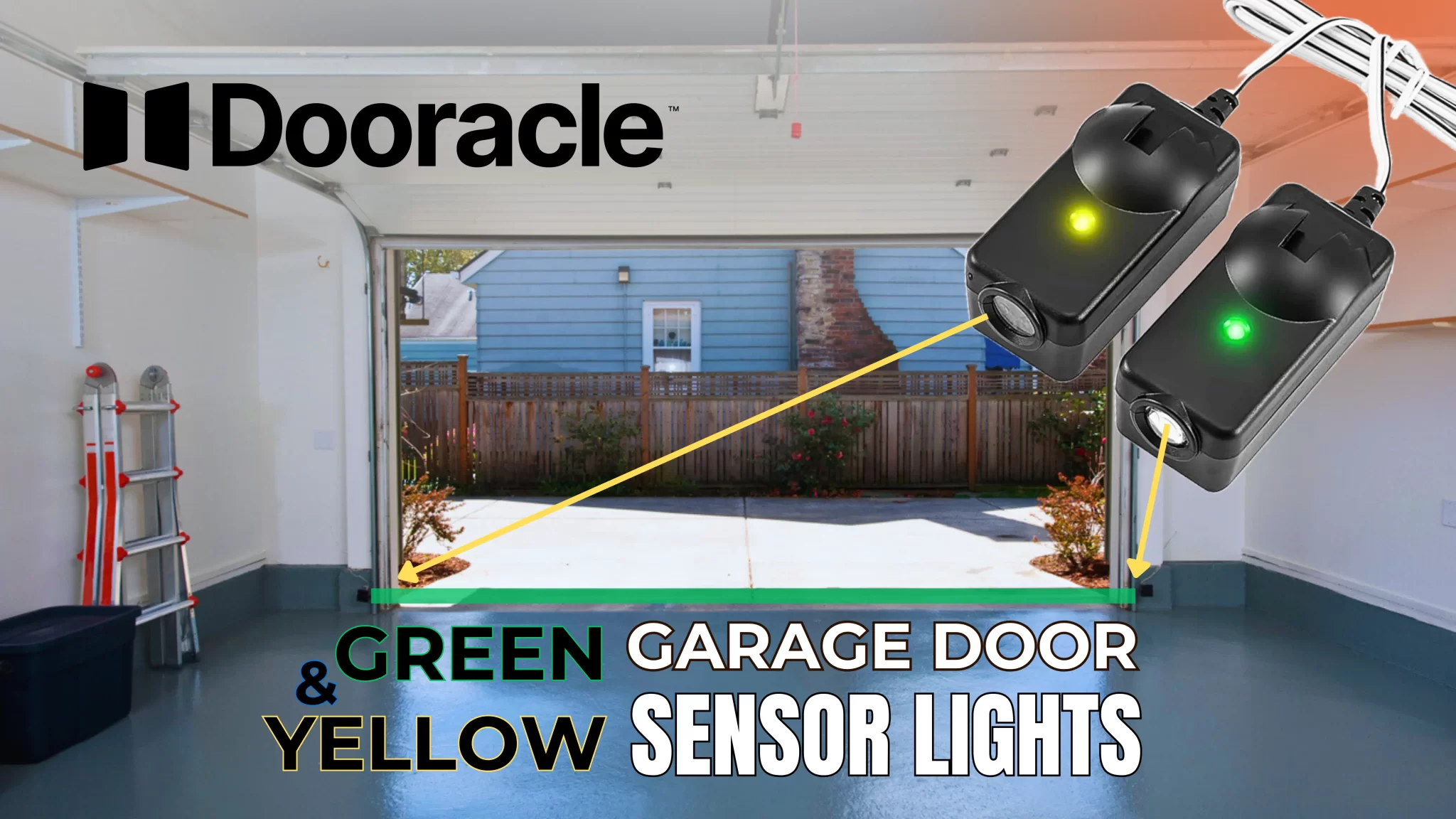
Garage door sensors represent a vital safety feature. They prevent the door from closing if anything or anyone is in its way. The sensor units are normally installed on either side of a garage near ground level and consist of two small light-emitting parts each. The different colors mean:
Seeing one yellow and one green light is quite normal and usually does not indicate any problem with the sensors. But there may be some other things to consider if your garage door is not closing or acting erratic.
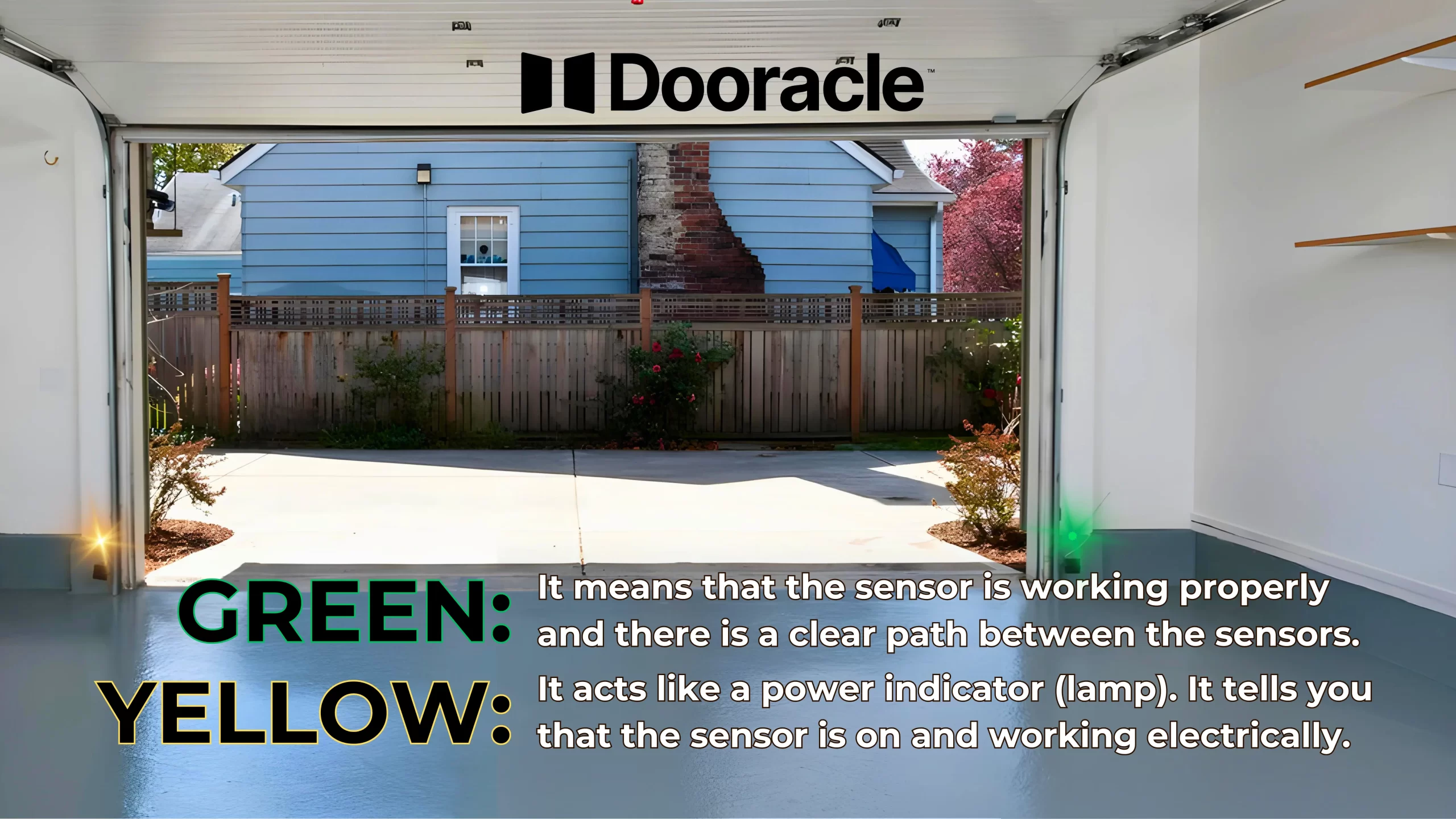
Green Light
It usually means that the sensor is working properly and there is a clear path between the sensors.
Yellow or Orange Light
This light just acts like a power indicator (lamp). It tells you that the sensor is on and working electrically.
Common Issues and Troubleshooting
Even if the sensor lights are displaying normal colors, you might still experience issues with your garage door not closing properly. Here are some common problems and troubleshooting steps:
Alignment Issues
Over time, the sensors can become out of alignment, and the infrared light breaks. Make sure that both sensors are lined up perfectly. Normally you can adjust them manually until the green light comes on steadily. This signifies a solid connection between the two sensors.
Obstructions
Even tiny debris can get in the way of one of our beams. Look for leaves, dirt, or small items on your floor that may stop the beam from being received by the sensors.
Wiring Problems
Inspect any visible damage to the wires leading to your sensors. Frayed or nibbled wires can stop a sensor from working properly and might have to be replaced entirely.
Dirty Lenses
Clean the lenses gently with a soft cloth. Even though the lamps show that all is operating normally, dust and dirt on the sensor lenses may disrupt the beam.
When to Call a Professional
While many garage door sensor problems can be solved with simple DIY steps, others could need professional help. That can result:
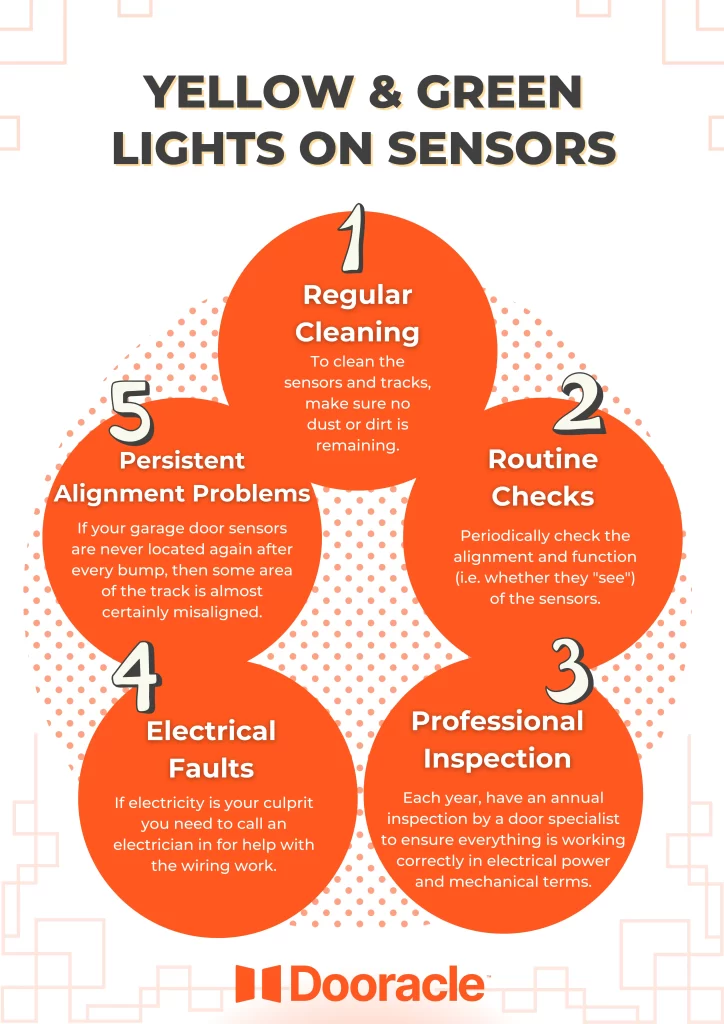
Persistent Alignment Problems
If your garage door sensors are never located again after every bump, or they emotionally tend to thrash when they touch something, then some area of the track is almost certainly misaligned.
Electrical Faults
If electricity is your culprit you need to call an electrician in for help with the wiring work. Working with electrical components without the proper knowledge is dangerous.
Preventative Maintenance Tips
Maintenance is to avoid problems with garage door sensors and other apparatuses.
Regular Cleaning
To clean the sensors and tracks, make sure no dust or dirt is remaining.
Routine Checks
Periodically check the alignment and function (i.e. whether they "see") of the sensors.
Professional Inspection
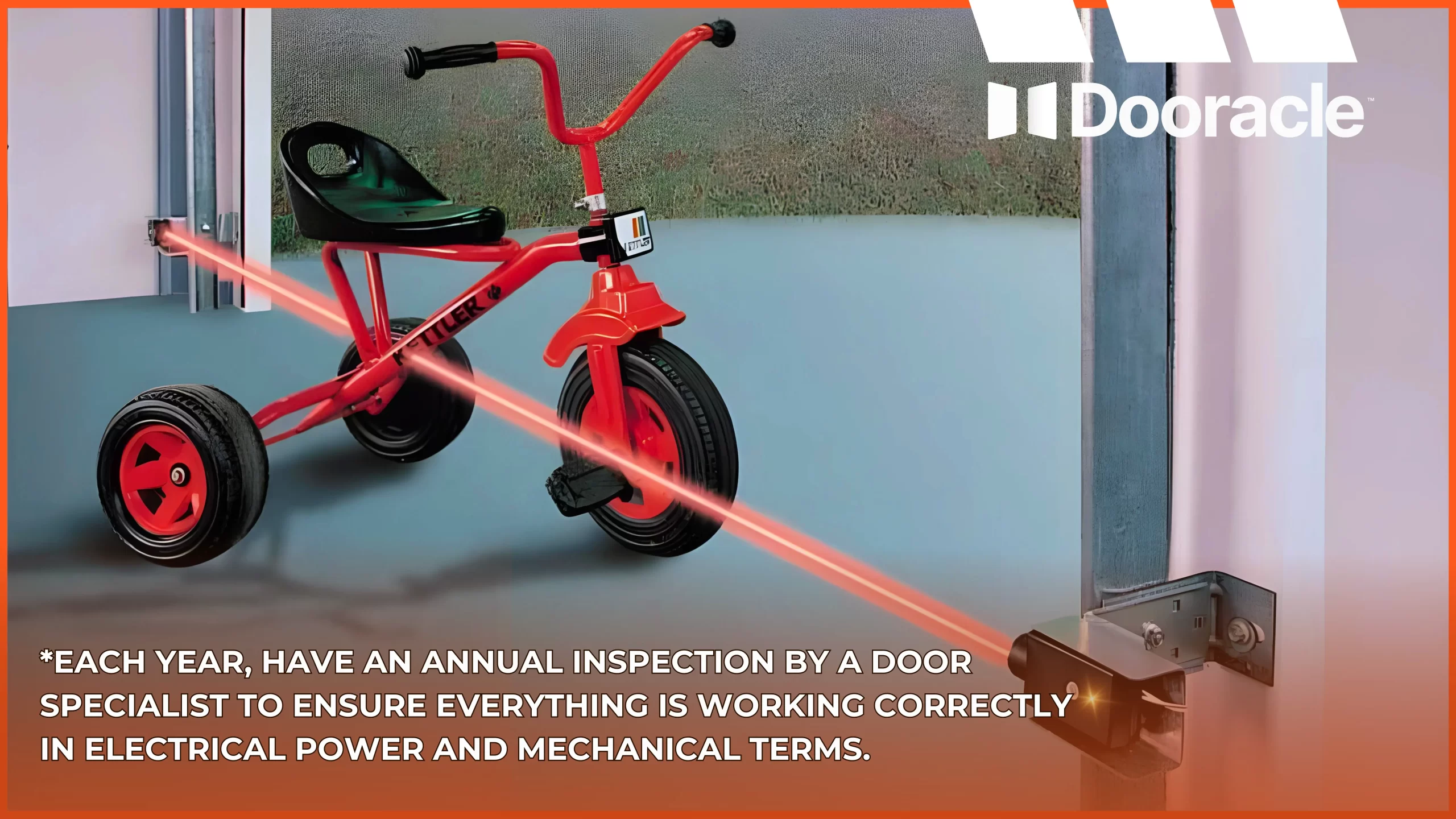
Each year, have an annual inspection by a door specialist to ensure everything is working correctly in electrical power and mechanical terms.
Conclusion
Assuming one garage door sensor light is yellow and the other green, it usually means that the sensors are functioning correctly. Yellow signifies power and green, proper operation. However, if you have problems with your garage door, referring to the troubleshooting steps unfolded here could find and cure a great many common difficulties. This has given a detailed explanation of garage door sensor lights to your readers, as well as some useful practical advice for you to follow up with. Some common problems could be solved by your reading all or any part of this article. For anything else please contact a professional such as Affordable Garage Door Repair, for we need to ensure you have a safe and reliable garage door system.