When it comes to home energy efficiency, most people think of windows or maybe insulation and HVAC systems—but have you ever considered how much more efficient your garage door could be? Being one of the largest openings to your home, your garage door performs an important job in both controlling temperatures and energy efficiency. Then they replace it using any one of three existing customizable panel sizes so that the new door fits like a glove, reducing energy loss experienced with old doors.
In this post, the team at Affordable Garage Door Repair will explain how your door can keep or lose heat throughout the year and what you should do to increase its energy-saving potential.We at Affordable Garage Door Repair want to be able to help you, the homeowner make smarter more efficient green choices. Visit The Natural Home to learn more about the environmental benefits of an eco-friendly garage door and tips will also improve your home environment.
The door of your attached or detached garage will directly affect the temperature inside. An energy-efficient garage door assists it by:
Retains the Heat Indoor:
This will trap heat in winter while keeping your house cool during summer.
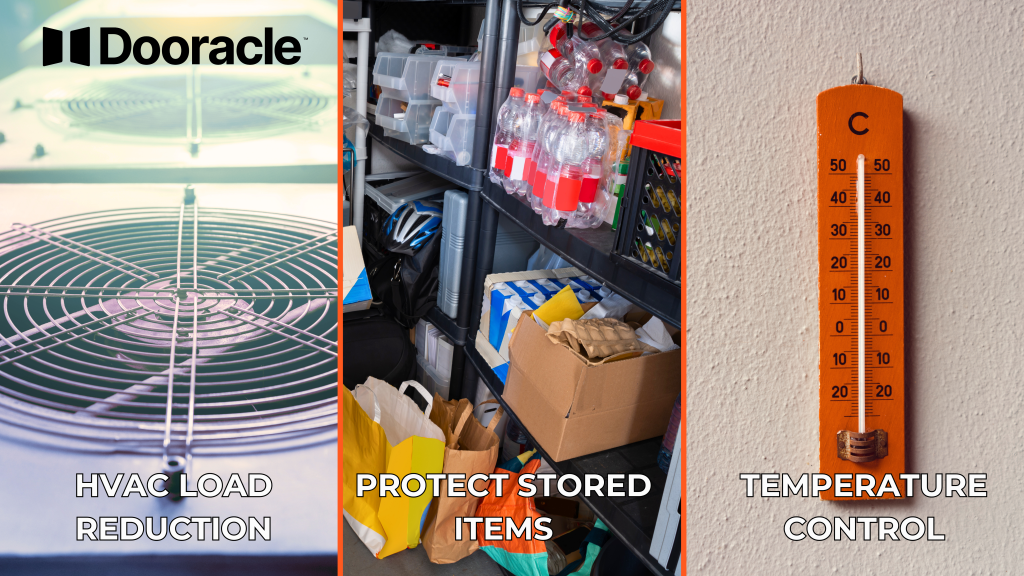
HVAC Load Reduction:
Reduces the work your heating and cooling systems have to do, which in turn lessens energy use.
Protect Stored Items:
Guards temperature-sensitive items stored in your garage from extreme temperatures.
This can lead to higher energy costs and temperature differences causing other rooms to be too hot or cold.
Your garage door can help or hinder your energy efficiency, depending on several factors including:
The thermal barrier feature helps maintain the temperature inside a building by having an insulated garage door. If your garage is attached to your house, also used as a workshop or gym space, or has any living being near it then these doors are even more important.
R-Value:
Allures to a room access protection properties Insulation performance increases as the R-value goes up, so higher is better.
Insulation Types:
Polyurethane provides better insulation than Polystyrene.
The bottom line:
A well-insulated garage door reduces the amount of heat that transfers in and out and decreases energy loss so your HVAC system won’t have to work as hard.
Those spaces around the garage door do nothing but allow air to get out or circulate in & give this additional crawl space. Weather strips can deteriorate and allow drafts to creep in over time, impacting your energy efficiency.
How It Affects Efficiency:
Allures to a room access protection properties Insulation performance increases as the R-value goes up, so higher is better.
Pipes Freezing: Cold air penetrates your home making it colder and raises heating bills in the winter.
Summer: Warm air sneaks through, causing your AC to run longer.
Problem: Your garage door is not properly sealed. Solution: Keep your garage door seal intact with proper maintenance.
Those spaces around the garage door do nothing but allow air to get out or circulate in & give this additional crawl space. Weather strips can deteriorate and allow drafts to creep in over time, impacting your energy efficiency.
How It Affects Efficiency:
Allures to a room access protection properties Insulation performance increases as the R-value goes up, so higher is better.
Pipes Freezing: Cold air penetrates your home making it colder and raises heating bills in the winter.
Summer: Warm air sneaks through, causing your AC to run longer.
Problem: Your garage door is not properly sealed. Solution: Keep your garage door seal intact with proper maintenance.
Your garage door’s insulation properties all depend on the material and construction. Common Materials with Impact:
Steel Doors:
Reduces cut down of forest for new doors by using old wood to make new doors.
Wood Doors:
They are naturally insulating but need regular maintenance.
Aluminum Doors:
Light but not as energy-efficient, unless they are insulated with a foam core.
Composite/Fiberglass Doors:
Good insulators, yield better extreme temperature resistance.
Influence:
The right material provides insulation, and thus preserves energy.
If you suspect that your garage door may be playing a role in the amount of energy you lose, some steps can help increase its efficiency.
Insulating your garage door is going to be where you get the most bang for your buck in terms of improving energy efficiency, particularly when we are dealing with attached garages. You want R-values over 6, insulated steel (or polyurethane).
It never hurts to check out the weatherstripping on your garage door now and then. If you see cracks, gaps, or wear and tear on the weatherstripping replace it as this will prevent air leaks.
A bottom seal attaches to the ground underneath your garage door so no air or water can come through. A very helpful feature, as our garage can be drafty.
Access your garage anytime so you can better control who goes in and out of the house through it with a Smart Garage Door Opener. This is a safety feature to avoid accidental air escapes.
However, broken or largely in the case of old and poorly insulated garage doors it would be wise to replace them for an upgrade. Consider upgrading if:
However, broken or largely in the case of old and poorly insulated garage doors it would be wise to replace them for an upgrade. Consider upgrading if:
Your garage door affects your home’s energy efficiency Isolated doors as well as adequate sealing and strategic improvements can cut energy losses, increase comfort, and lower electricity use. When you put money into an energy-efficient garage door, not only are your short-term savings being looked at but also a much more sustainable future home.
Affordable Garage Door Repair is here to assist with all the best garage door services in order for you to have a more energy-efficient home. We Provide Free Estimates And Can Guide You Through All The Available Energy-Efficient Options Today.