At Affordable Garage Door Repair, we know how important it is to keep your garage unwanted guests out of the way. This guide will provide you with steps to protect your garage door against pest damage and keep the space secure all year long.
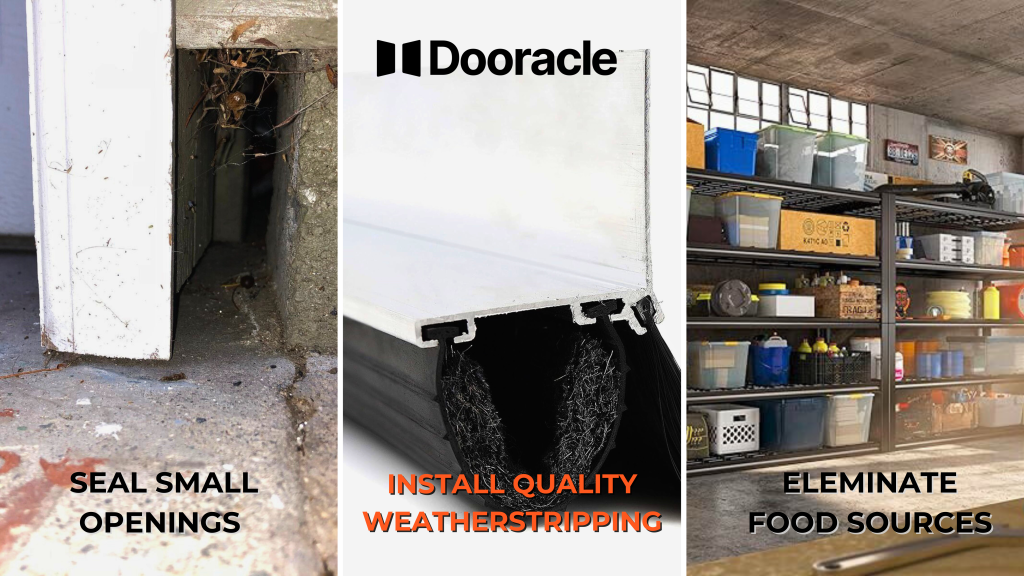
The Appeal of Garages to Pests
Garages are great for pets since they need shelter, warmth, and food sources which are easily available there. Mice, rats, spiders, ants, and birds are just a few of the common pests that invade garages. Knowing what attracts pets to your garage can help you take steps to prevent them.
Technical Problems
- Protection from the weather; and heat.
- Sources of food include pet food, bird seed, and other items which are kept.
- Shadows and shambles that are conducive to nesting.
How to Prevent Garage Door Pest Damage
01
Drive A Better Seal Between the Garage Doors
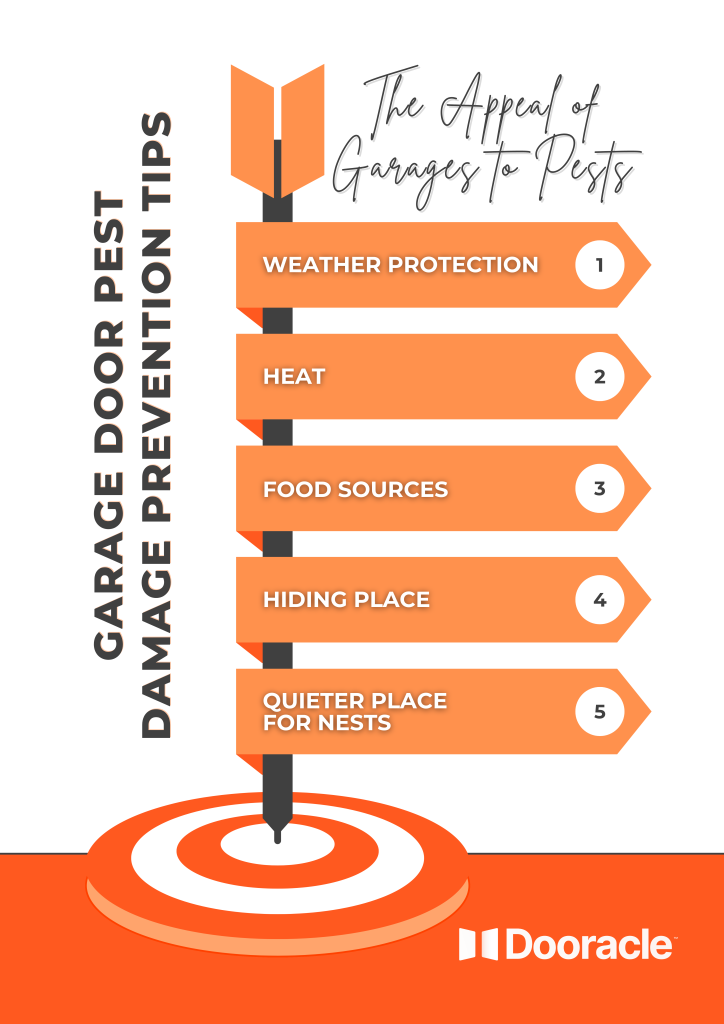
Even the tiniest gaps through which pests can enter your garage door. Look at the door and frame for cracks, holes, or worn areas where pests can gain entry.
- Check the door frame, weather stripping, and areas on your walls for gaps or cracks.
- Seal Small Openings with Caulk or Expanding Foam
- For larger gaps, consider adding strips of metal or wood to strengthen the door frame.
02
Apply High-Quality Weatherstripping
Weatherstripping is a barrier that protects the opening of your garage door from the ground up, preventing pests from crawling beneath. But after a while, weather striping can deteriorate and stop working on you.
- Regularly check your door seals for any cracks, tears, or other signs of wear every few months.
- Change worn weather stripping to ensure a good seal again.
- Install rubber seals or threshold seals for further protection.
04
Close the Door When Not in Use
- An open garage door gives pests easy access to your garage. Close the door whenever you are not using it, specifically at night during cellulitis peak hours.
- Note: If you are not able to avoid leaving your garage door open, consider installing a garage door opener with an automatic timer that allows you to set a period after which it will automatically close.
05
Eliminate Food Sources and Debris
- Moisture is also the biggest enemy of your garage, as it attracts pests — so a dirty and damp garage will invite unwanted visitors.
- Periodically sweep and clean the garage to get rid of debris and dust.
- Address any leaks or condensation that may allow humidity to enter the room.
- If you live in a humid climate, think about using a dehumidifier to keep humidity levels down.
07
Set Up Traps and Repellents
- An open garage door gives pests easy access to your garage. Close the door whenever you are not using it, specifically at night during cellulitis peak hours.
- Note: If you are not able to avoid leaving your garage door open, consider installing a garage door opener with an automatic timer that allows you to set a period after which it will automatically close.
08
Keep the Garage Neat and Dry
- Traps and repellents are placed around the garage door to trap or repel pests from entering. There is a range of pest control solutions for each kind of insect.
- If you have a rodent problem, set out a mouse trap near entry points.
- Essential oils: Peppermint oil can be used as a natural mouse and spider repellent.
- Use insect repellents or place sticky tapes to trap insects near the garage door.
07
Install Door Seals & Door Sweeps
- Door seals can be placed along the sides and top of your garage door which will prevent any entry points for pests. Bottom thresholds allow a tight seal on the ground to prevent little creatures and insects from getting underneath.
- Put inside and best entrance seals to obstruct gaps across the doorway framework.
- This adds a barrier from below so that pests cannot come up through the bottom.
- Inspect these seals frequently to ensure they stay functional.
08
Consider Mesh Screens on Windows and Vents
- Windows and vents: Windows and venting systems to be specific are also potential access points for a rodent infestation in your garage. Mesh covers can be installed such that they block these openings without impeding airflow.
- Use strong metal mesh screens to cover all windows, vents, or exhaust.
- Fit the screens well so that there are no gaps between them.
- We recommend cleaning the screens periodically so that they continue to ventilate to avoid developing a thick layer of residue.
07
Replace or Check Garage Door Insulation
- If you see insulation in your garage door, it can be useful to check that insulation for holes from rodents. Then chewing through insulation, as well as creating entry points and nests.
- Check the insulation occasionally if it is exposed to any damage or chewing.
- If the existing insulation is damaged, use new insulation materials as needed. Rodent-resistant insulation materials are also available on the market.
- Make sure the insulation fits tightly against the edges of your doors.
When to Call a Professional
In the event of a larger-scale pest infestation or having trouble securing all entry points, it may be time to contact an exterminator or garage door specialist. We can at Affordable Garage Door Repair:
- Check your garage door for gaps, wear, and tears that could be an entry point.
- Use High-Quality Seals to Stop Pests from Getting In
- Offer tips for prevention and pest-proofing your garage door.
Conclusion
Seal Up Your Garage Door When It Comes to Pests Protecting your garage, which means you have to pest-proof your garage door. You can keep the pests out when you seal the gaps, arrange clean surroundings, and install effective barriers. That will save your garage door too.
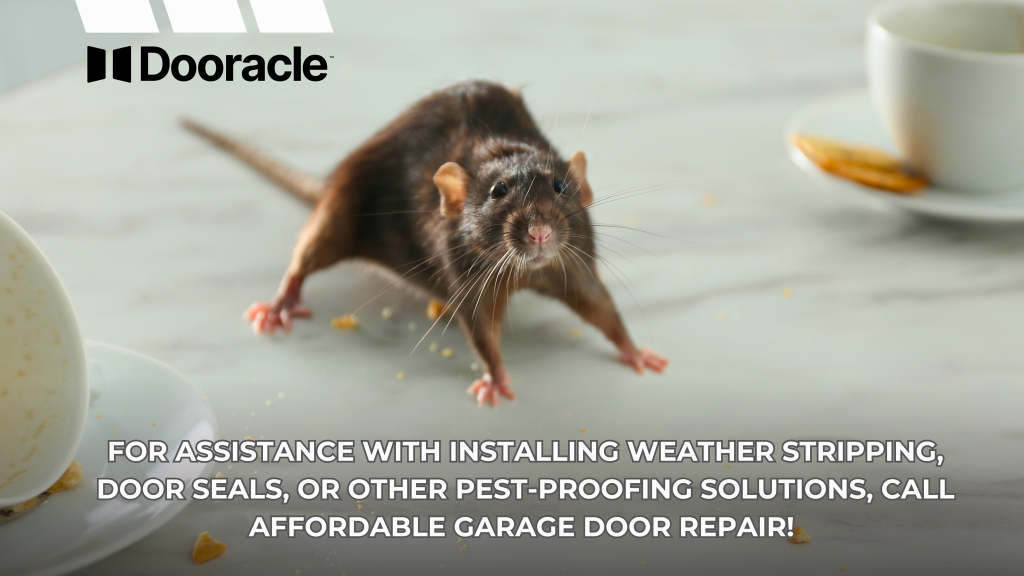
For assistance with installing weather stripping, door seals, or other pest proofing solutions, call Affordable Garage Door Repair! Our team will be able to fully inspect your garage door and provide you with professional suggestions to ensure that your space remains safe, secure, and insect-free.