The Garage Door and Its Role in Your Home’s Energy Efficiency
Explore our latest guides and tips designed to help you stay informed and make smarter decisions.
Introduction
When it comes to home energy efficiency, most people think of windows or maybe insulation and HVAC systems—but have you ever considered how much more efficient your garage door could be? Being one of the largest penings to your home, your garage door performs an important job in both controlling temperatures and energy
efficiency. Then they replace it using any one of three existing customizable panel sizes so that the new door fits like a glove, reducing energy loss experienced with old doors.
The Importance of Garage Door Energy Efficiency
01
Retains Heat Indoor
This will trap heat in winter while keeping your house cool during summer.
02
HVAC Load Reduction
Reduces the work your heating and cooling
systems have to do, which in turn lessens energy use.
03
Protect Stored Items
Guards temperature-sensitive items stored in your garage from extreme temperatures.
04
Avoids Temperature Imbalance
This can lead to higher energy costs and temperature differences
causing other rooms to be too hot or cold.
Problems with a Garage Door and How It Affects Energy Consumption
1. Insulation Levels
The thermal barrier feature helps maintain the temperature inside a
building by having an insulated garage door. If your garage is attached to
your house, also used as a workshop or gym space, or has any living being
near it then these doors are even more important.
01
R-Value
Insulation
performance increases as the R-value goes up, so higher is better
02
Insulation Types
Polyurethane provides better insulation than Polystyrene.
03
Bottom Line
A well-insulated garage door reduces the amount of
heat that transfers in and out and decreases energy loss so your
HVAC system won't have to work as hard.
2. Air Leaks and Seals
Those spaces around the garage door do nothing but allow air to get out
or circulate in & give this additional crawl space. Weather strips can
deteriorate and allow drafts to creep in over time, impacting your energy
efficiency.
Pipes Freezing: Cold air penetrates your home making it colder and raises heating bills in the winter.
Summer: Warm air sneaks through, causing your AC to run longer.
Problem: Your garage door is not properly sealed. Solution: Keep your garage door seal intact with proper maintenance.
3. Door Material & Construction
Steel Doors
Strong but can conduct heat if not insulated properly.
Wood Doors
Naturally insulating but need regular maintenance.
Aluminum Doors
Light but not as energy-efficient, unless they are
insulated with a foam core.
Composite/Fiberglass Doors
Good insulators, better extreme temperature resistance.
The right material provides insulation, and thus preserves energy.
4. Sunlight Exposure
For starters, your garage door (especially if it's facing direct sunlight for
long hours) can get hot and make the inside of your home more temperate.
Doors that are dark in color will absorb heat while those lighter colors will
cause the doors to reflect sunlight.
Solve: Pick an entry that is several glasses or one particular with
mirrored coatings to keep solar power out.
Top Indicators Your Garage Door Is Spoiling Your Energy Efficiency
Hot or Cold Air Drafts: If you sense a sudden change in temperature as you approach your garage door.
High Energy Costs: You start paying more in heat or cool due to reasons that cannot be explained.
Temperature changes: It is hard to get the rooms next to the garage cool or warm.
Top Ideas for Making a More Energy-Efficient Garage Door
01
Install an Insulated Garage Door
R-values over 6, insulated steel (or polyurethane).
02
Replace Weatherstripping
If you see cracks, gaps, or wear and tear on the weatherstripping
replace it as this will prevent air leaks.
03
Add a Threshold Seal
A bottom seal attaches to the ground underneath your garage door so no
air or water can come through. A very helpful feature, as our garage can be
drafty.
04
Smart Garage Door Opener
Access your garage anytime so you can better control who goes in and out
of the house through it with a Smart Garage Door Opener. This is a safety
feature to avoid accidental air escapes.
05
Insulate Garage Walls + Ceiling
Insulate the Garage Doors and Ceiling — Insulating your garage door can
prevent more of that warmth from escaping. This is fitted with an insulated
door which in turn keeps the inner space on a sustained temperature.
The Advantages of a High–Performing Garage Door
Less Expensive Energy Bills: your HVAC device works much less because less dust means it does not have to work as hard.
Enhanced Comfort: Helps maintain a consistent garage and nearby room temperature
Greater Resale Value: Energy-efficient improvements improve the market value of your home.
Eco-Friendly: Reduced Energy consumption Less carbon footprint
Signs to Replace a Garage Door
The wear and tear of your door
You feel drafts, or your home has uneven temperatures.
You have high energy bills.
The door makes noises or the opening-closing function is not smooth.
Affordable Garage Door Repair Can Help
We have an extensive inventory of energy-efficient garage doors to be the
perfect fit for you at Affordable Garage Door Repair! If you want to know
which door option is best for your home, our team can assist and provide
professional installation — just ask.
Your garage door affects your home's energy efficiency Isolated doors as
well as adequate sealing and strategic improvements can cut energy losses,
increase comfort, and lower electricity use. When you put money into an
energy-efficient garage door, not only are your short-term savings being
looked at but also a much more sustainable future home.
Affordable Garage Door Repair is here to assist with all the best garage
door services in order for you to have a more energy-efficient home. We
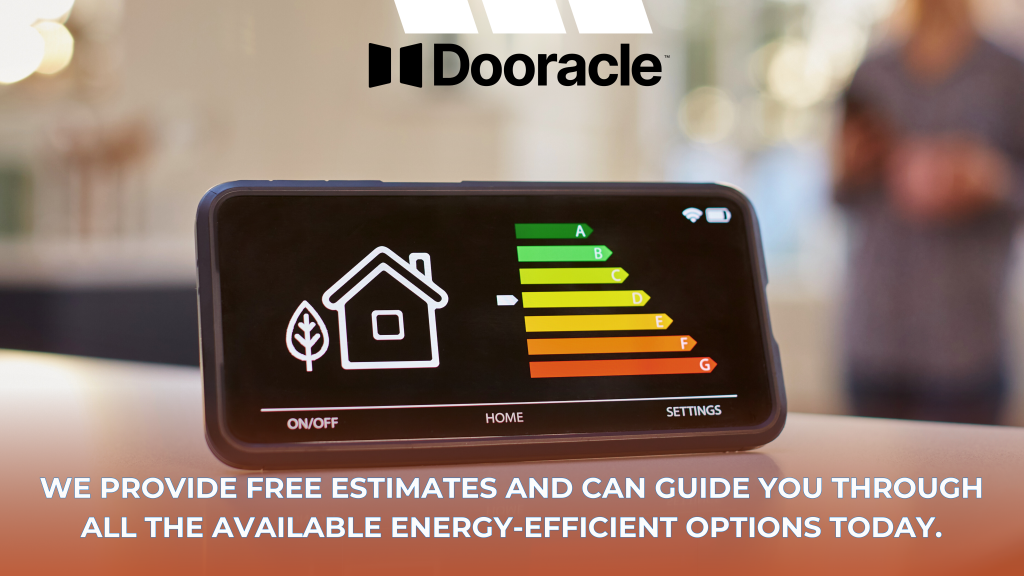
Provide Free Estimates And Can Guide You Through All The Available
Energy-Efficient Options Today.
Contact Us
Should you experience any problems with your garage door while trying to manually operate it, we encourage you to call Uplift Garage. Our friendly and experienced technicians are here to help. Call us today to speak with one of our experienced technicians
The Reason Garage Doors Openers Lose Their Range and How to Fix It
When you are accustomed to opening the door from a distance, then a garage door opener with a limited range is very problematic. After a time, you shall observe that the remote requires you to get nearer and farther in order for it to work, which is very unhandy and ineffectual. To regain the ease of long-range operation, it is important to understand why garage door openers lose range and how to fix the problem.
Is Your Garage Door Prepared for Winter? Cold-Weather Maintenance Tips
With winter quickly approaching, you want to be sure your garage door is ready for the ice and snow. Garage doors experience additional stress through the winter months, and with that pressure comes an effect on their
performance and longevity. It may seem like a no-brainer, but much of what you can do to prepare your garage door for winter is also fall maintenance for a potential spring emergency if not done. It's all about avoiding those surprise frozen parts or sluggish movements that could otherwise leave your garage door virtually useless until you've thawed everything out!
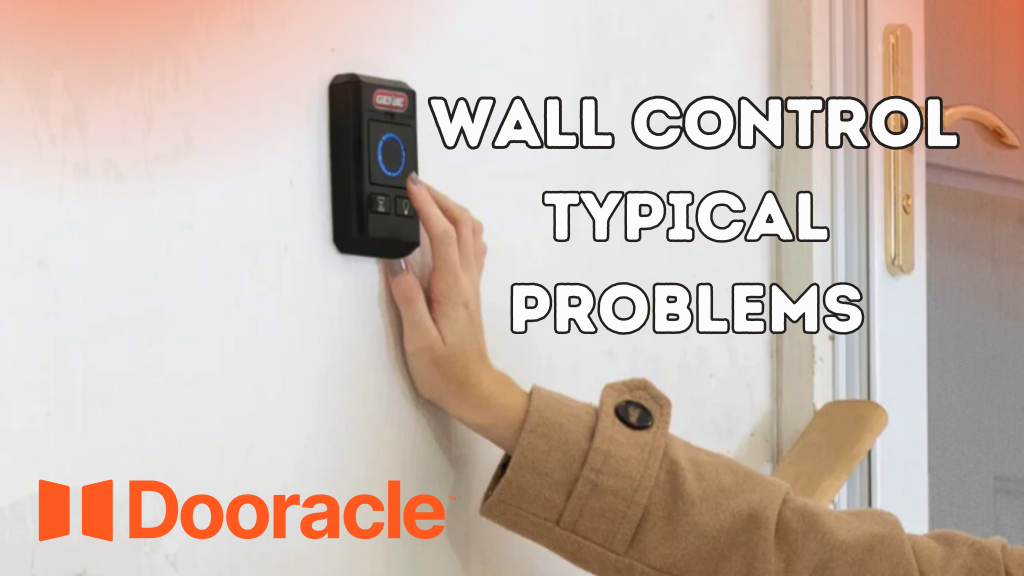
Typical Problems with Garage Door Opener Wall Controls
Garage door opener walls allow you to open and close your garage door from inside the garage without having to use a remote. As with most devices, occasionally a problem may arise that keeps wall controls from working properly. By being aware of the common problems and knowing how to troubleshoot your garage door opener wall control, you can keep your system running well and avoid surprises.