Insulation and Energy Efficiency: Conserve More Energy
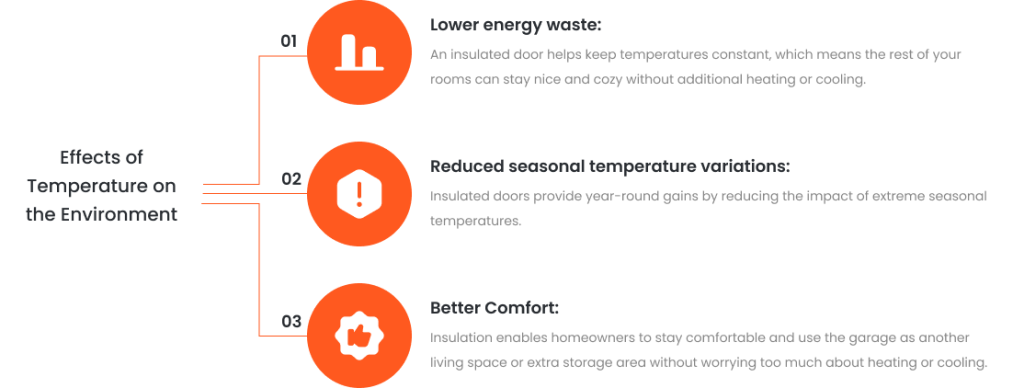
The energy efficiency of an insulated garage door is one of the key green advantages. By keeping the temperature of your garage to a minimum, insulated doors will cut down on the amount of heat lost in winter and gained in summer. If you have an attached garage, insulation also helps to minimize the energy used to heat or cool rooms next door, which ultimately cuts down on energy consumption.
Pro tip:
The most energy-efficient and eco-friendly option available is the garage door with the highest R-value – meaning that it is better resistant to thermal transfer.
How to Check Compatibility
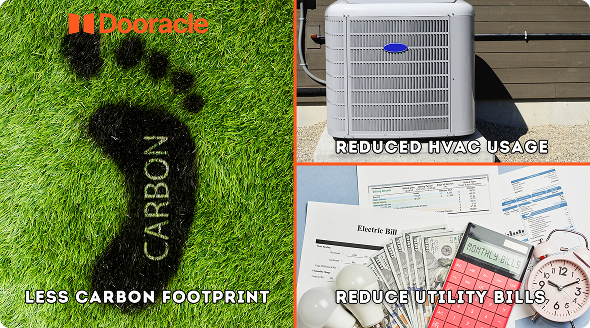
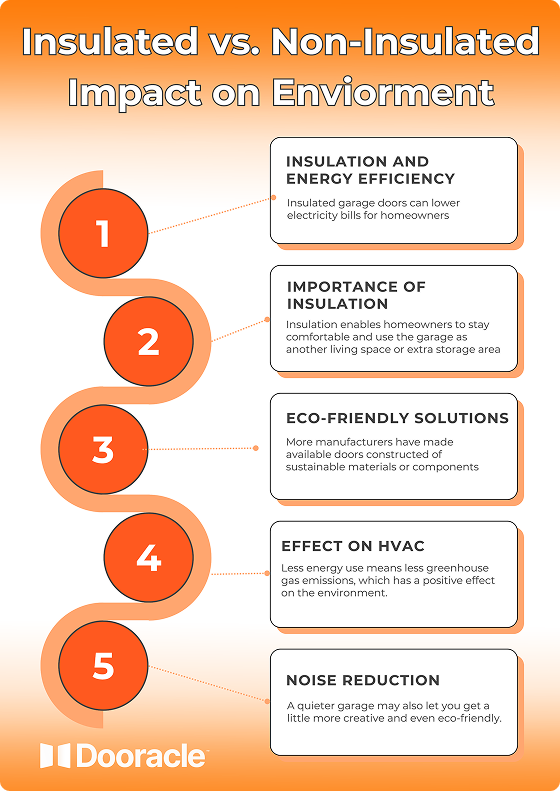
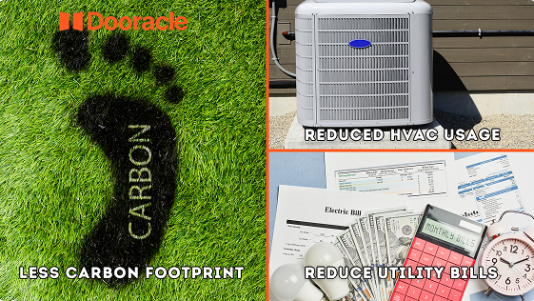
- Less carbon footprint: Less energy use means less burning of fossil fuels to heat and cool buildings, which leads to fewer greenhouse gas emissions.
- Reduced burden on HVAC systems: Insulation maintains the temperature, placing less strain on your heating and cooling equipment, which leads to a longer life for these costly devices.
- Reduced utility bills:Insulated garage doors can lower electricity bills for homeowners — the reason insulation is among the most inexpensive yet green home improvement options known.
Thermal Property: Importance of Insulation in Maintaining Temperature
The energy efficiency of an insulated garage door is one of the key green advantages. By keeping the temperature of your garage to a minimum, insulated doors will cut down on the amount of heat lost in winter and gained in summer. If you have an attached garage, insulation also helps to minimize the energy used to heat or cool rooms next door, which ultimately cuts down on energy consumption.
Note;
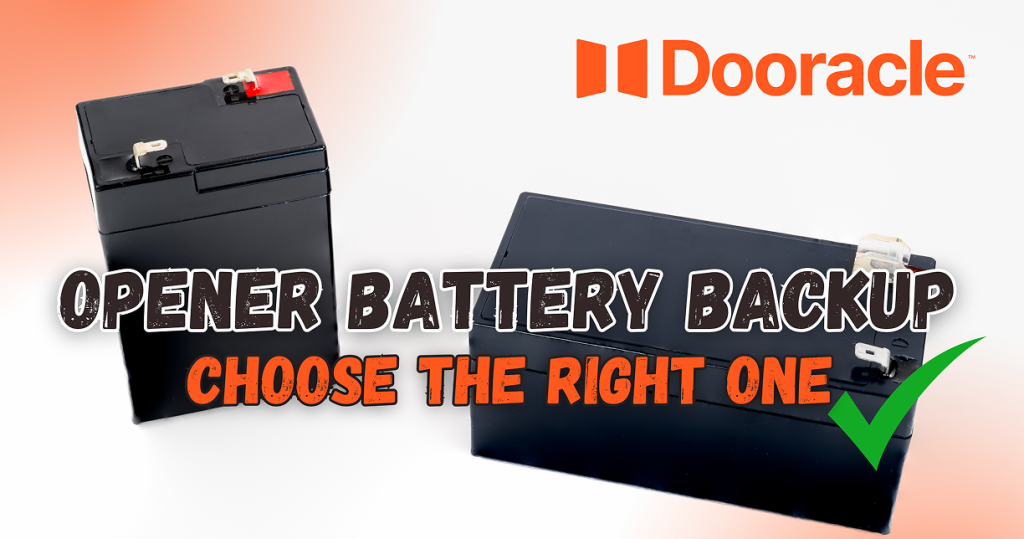
Stick to a decent battery from a respected manufacturer known for their warranty and customer support just in case you have a problem.
Door Insulations to Conserve Our Planet: Eco-Friendly Solutions
Various insulated garage doors use eco-friendly materials (like recycled steel, aluminum, or composite wood). Although non-insulated doors are usually lighter, they may be more limited in terms of sustainable material options and tend to wear out quicker than insulated alternatives; this means that they would likely need to be replaced more over time.
Sustainable Material and Advantages of Environment
01
Recyclability
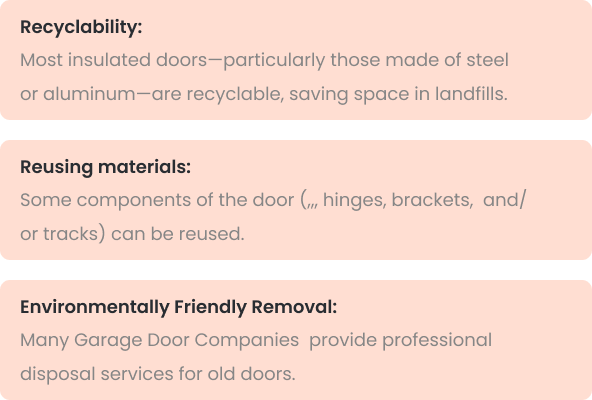
Full insulated doors are usually made from steel or aluminum, so they can be recycled when they’re no longer in use, helping keep them out of landfills.
02
More extended usage
Insulated doors (usually) last longer,
prolonging replacement cycles and saving resources.
03
Reduced ecological impact
More manufacturers have made available doors constructed of sustainable materials or components, thereby further reducing the door’s environmental footprint.
Pro tip:
When trying to find doors that are more eco–friendly, search for doors that have eco-friendly certifications or recycled materials.
Effect on HVAC Efficiency in Attached Garage
If you have an attached garage, those temps can impact the indoor climate of your home. Because temperature swings through shared walls with a non-insulated garage door, your house’s heating and cooling system has to work overtime, consuming more energy.
Advantage:
An insulated door costs less in energy bills, helps your HVAC last longer, and keeps you more comfortable indoors.
How Insulated Doors Are Beneficial To Your HVAC Efficiency
- Decreased energy usage: With insulation, extreme temperatures have a harder time transferring in and out of homes, thus requiring less energy to maintain a comfortable atmosphere inside
- Longer HVAC lifespans: When heating and cooling are needed less, your system will run better for longer without breakdowns.
- Less emissions:: Less energy use means less greenhouse gas emissions, which has a positive effect on the environment.
Noise pollution is an opaque but critical issue for sustainability and quality of life, even if it does not have a direct effect on the shape of the environment. One of the biggest advantages of insulated doors (especially those with up to three layers) is their ability to minimize noise pollution, both by preventing sounds from outside from coming in as well as softening sounds made by the garage door opener.
Noise Pollution: Insulation Doors Will Make the World Less Noisy
Noise Reduction →Environmental Impact
- Better neighborhood quality: When there is less noise pollution, it means a quieter setting for people who live nearby.
- Less indoor noise: Noise insulation renders garages quieter, making them more suitable for tasks that would otherwise be disruptive to family members.
- Better use of garage space: A quieter garage may also let you get a little more creative and even eco-friendly.
Note;
If low noise levels are a priority for you, opt for multi-layer insulated doors that will keep noise down in your home — and your community.
Long Lasting — Lesser Eco-Footprint in the Long Run
Since insulated garage doors are designed with more resistant materials to climate variations and suffer impacts, they generally have longer lives than those without insulation. A durable door means less waste and fewer replacements over time — and therefore a lower cumulative environmental impact.
Returning to sustainability, durability is even better for the environment.
Lesser replacements
If something that needs to be replaced isn't done frequently, then it will consume fewer resources for manufacturing and present fewer landfills.
Sustainable investment
One of the key features of a green home is a long-lasting insulated garage door that will minimize energy use and material waste for years, making it an excellent investment.
As an added benefit
As an added benefit, insulated doors protect stored items and garage components from outside elements to increase their longevity.
Note;
The lifespan of insulated doors is also increased with regular maintenance, so this will save you more money and be good for the environment.
Call a Professional for Insulated Garage Door Installation When:
If you decide to upgrade to a new insulated garage door, the installer must be experienced and qualified for the installation, so all benefits of energy efficiency are attained. Affordable Garage Door Repair is the only garage door service center that knows green garage doors, from its materials to energy-saving installation options.
- Evaluating the insulation requirements of your garage and suggesting the appropriate type of door
- Heightening energy savings and temperature management with high R value doors
- Advice on recycling goods as Well As options for disposal of your old door.
Waste Minimization: Recycling & Removal Options
Insulated doors are often a bit easier to recycle versus non-insulated models when it is time for garage door replacement. Most insulated doors composed of metal or composite materials, in fact, are more recyclable than non-insulated doors — the latter with the additional complication of mixed materials content often destined for landfills.Lorem ipsum dolor sit amet, consectetur adipiscing elit. Ut elit tellus, luctus nec ullamcorper mattis, pulvinar dapibus leo.
Eco-Friendly Disposal Options
Advantage:
Going for a recyclable and insulated door is advantageous from a waste reduction perspective as well, making it great for sustainable home improvement.
Conclusion
Deciding on insulated versus non-insulated garage doors plays a significant role in energy efficiency, sustainability, and waste reduction. Insulated doors are more energy efficient and provide consistent temperature and climate control due to less energy usage as well as environmentally friendly options thus becoming the green choice for eco-conscious homeowners. Purchasing an insulated garage door also enhances your home efficiency and potentially contributes to world sustainability. Call Affordable Garage Door Repair to help you choose and fit a green insulated garage door. We are your team that is offering you a decision for your home and our world.
Effect on HVAC Efficiency in Attached Garage
If you have an attached garage, those temps can impact the indoor climate of your home. Because temperature swings through shared walls with a non-insulated garage door, your house’s heating and cooling system has to work overtime, consuming more energy.
Advantage:
An insulated door costs less in energy bills, helps your HVAC last longer, and keeps you more comfortable indoors.
How Insulated Doors Are Beneficial To Your HVAC Efficiency
- Decreased energy usage: With insulation, extreme temperatures have a harder time transferring in and out of homes, thus requiring less energy to maintain a comfortable atmosphere inside
- Longer HVAC lifespans: When heating and cooling are needed less, your system will run better for longer without breakdowns.
- Less emissions:: Less energy use means less greenhouse gas emissions, which has a positive effect on the environment.
Know Why They Take Off the Weatherstripping
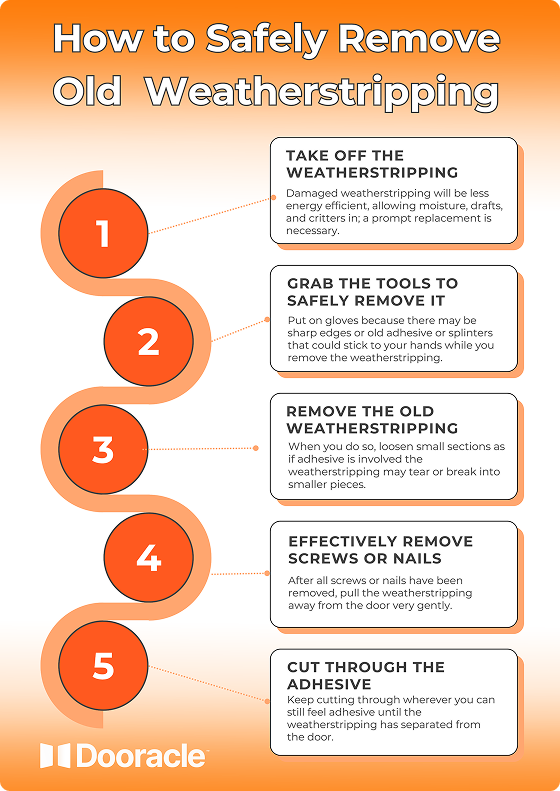
Taking out failed weatherstripping provides a clean surface for the new seal to better adhere and ultimately work more effectively. Damaged weatherstripping will be less energy efficient, allowing moisture, drafts, and critters in; a prompt replacement is necessary.
How to Tell It Time for New Weatherstripping
- Visible cracks, holes, or fissures
- Drafts around the garage door that you can feel
- Higher amounts of dust, moisture, or pest infiltration
- Higher utility bills with lower insulating capacity
Pro tip:
Check your weatherstripping once a year, or after extreme weather events, for wear signs.
Grab the Tools to Safely Remove It
Proper tools at the ready will make it easier and safer to suspend.
Here’s what you’ll need:
- Flathead screwdriver/Putty knife
- Utility knife
- Pliers
- Cleaning supplies (mild soap, sponge, or rag)
- Safety gloves
Helpful Hint:
Before starting, put on gloves because there may be sharp edges or old adhesive or splinters that could stick to your hands while you remove the weatherstripping.
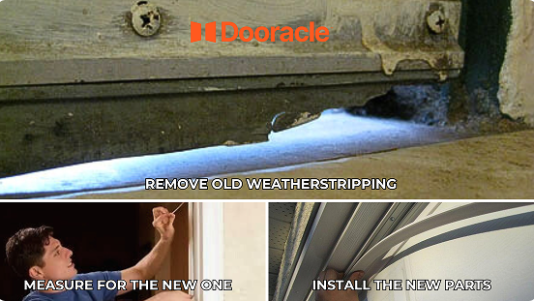
Remove the Old Weatherstripping
How to Remove the Weatherstripping
- Check the attachment: If it is mounted, check for screws or nails. If glued, determine where the adhesion is stronges
- Slide the flathead screwdriver: Slide the flathead screwdriver or putty knife underneath the weatherstripping and gently pry off. Start at one corner of the stripping and work your way down.
- When you do so: When you do so, loosen small sections as if adhesive is involved the weatherstripping may tear or break into smaller pieces.
Garage door weatherstripping is usually secured with screws, nails, or glue. The first stage is to remove the weatherstripping with a hammer so it does not hurt the door and areas around it.
Tip;
When using a pry bar to remove the weatherstripping from a garage door, be careful not to scratch its surface.
Effectively Remove Screws Or Nails
Before using the curtains to pull them away, remove a few nails and lost screws if you have been attached to this weatherstripping.Lorem ipsum dolor sit amet, consectetur adipiscing elit. Ut elit tellus, luctus nec ullamcorper mattis, pulvinar dapibus leo.
Method How To Remove Screws And Nails
Remove screws that run the length of the weatherstripping, using a screwdriver or drill.
Use the pliers to pull them out gently. You must work carefully so that you do not bend the weatherstripping and/or damage your door surface.
After all screws or nails have been removed, pull the weatherstripping away from the door very gently.
Quick Tips:
Put screws and nails in a small container throughout, so that they will not be lost in here or you will not step on them.
Cut Through Adhesive
If you see adhesive holding the weatherstripping, use a utility knife to cut through it as carefully as possible. That means you can get the weatherstripping off without leaving any adhesive marking or damaging the door.
Steps to Cut Through Adhesive
- Tilt the utility knife and track it down along the edge of the weatherstripping at its intersection with the door.
- Pulling on the weatherstripping as you go cuts it with ease
- Keep cutting through wherever you can still feel adhesive until the weatherstripping has separated from the door.
IMPORTANT NOTE:
Take care when using the knife, as you want to work slowly so that you do not accidentally cut into the door or cut yourself!
Get Rid of Any Leftover Glue Residue
How to Clean Up Glue Residue
- Using a putty knife, scrape away large pieces of the adhesive without scratching up the door surface.
- If any residue remains, normally I would add a little adhesive remover or rubbing alcohol and let it sit for a few minutes.
- As it melts, wipe away the softened glue with a rag or sponge. Keep going until the surface is clean.
Note:
If you’re installing new weatherstripping, let the door dry completely first—this will ensure maximum adhesion.
Check the Surface and Frame of the Door
Once you have taken off the old weatherstripping and cleaned away all adhesive residue, check the door surface and frame for cracks, dents, or damage that will not accommodate the new weatherstripping.
What to Look For
- Small dents or cracks in the frame that could need to be filled or repaired
- Corroded metal frames or tracks, where rust spots need to be treated and additional rust should also not form
- Rough spots that might need sanding or otherwise smoothing to allow new weatherstripping to apply evenly
- To create an effective barrier, repair any damage before fitting new weatherstripping
Properly Discard Old Weather Stripping
Recycling: Old weatherstripping might be recyclable, depending on the material. Inquire with your nearest recycling center about whether they accept rubber, vinyl, or metal parts.
Tips for Disposal
- Put old weatherstripping into a heavy-duty garbage bag so residue does not stick to things.
- If any recyclable metal strips, screws, etc.
- Dispose of responsibly according to your local recycling information.
Advantage:
By disposing of them correctly, they can help your desk be clean and minimize environmental impact.
Prepare For New Weatherstripping
Now your surface is clean and clear of the old weatherstripping, so your next step is to install new weatherstripping. Take the right measurements, to have the correct type and dimensions of garage door.
How to Measure for and Select New Weatherstripping
- Use a measuring tape to measure the width and height of your door so you know what length of weatherstripping you need.
- Select weatherstripping appropriate for your climate (flexible rubber, resistive vinyl, etc.)
- To install your new type of weatherstripping, follow the directions based on the adhesive you selected, or the use of screws or nails needed.
Tip:
Using the proper weatherstripping will make your garage more energy efficient and eliminate drafts and noise.
When to Call a Professional
If stripping away old weatherstripping doesn’t seem easy enough, or you’re uncertain about what you’ll be replacing it with a pro can assist. When you come to us at Affordable Garage Door Repair, we have the knowledge and experience needed to safely remove the old weatherstripping, check over the door as well as the rest of your garage components, and install new quality materials.
- How to remove and dispose of old weatherstripping safely
- Checking for any repair work or harm on a door
- New weatherstripping installed for a maximum, durable seal
Conclusion
Taking out the old garage door weatherstripping is a relatively simple task, but an important one for maintaining efficient, properly sealed garage doors. These steps will ensure that any weatherstripping that no longer serves its purpose is removed and the door surface is cleaned before putting on a new layer of protection. Weatherstripping properly around the outside not only blocks weather but also adds energy efficiency to your garage. Call Affordable Garage Door Repair for professional help in removing, examining, or installing weather stripping. Our professionals will help make sure your garage door is airtight, energy-efficient, and weatherproof.