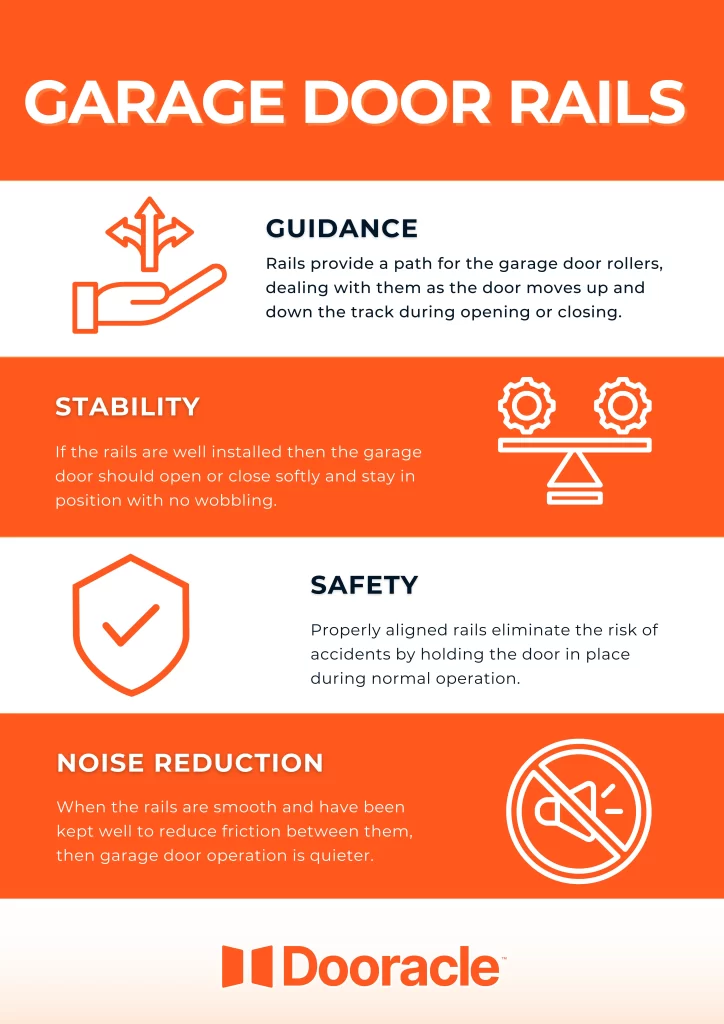
Guidance
Rails provide a path for the garage door rollers, dealing with them as the door moves up and down the track during opening or closing.
Stability
If the rails are well installed then the garage door should open or close softly and stay in position with no wobbling.
Safety
Properly aligned rails eliminate the risk of accidents by holding the door in place during normal operation.
Noise Reduction
When the rails are smooth and have been kept well to reduce friction between them, then garage door operation is quieter.
Importance of Garage Door Rails
Garage door rails perform several crucial functions
Types of Garage Door Rails
Garage door rails can be divided into two main types:
Horizontal
Tracks
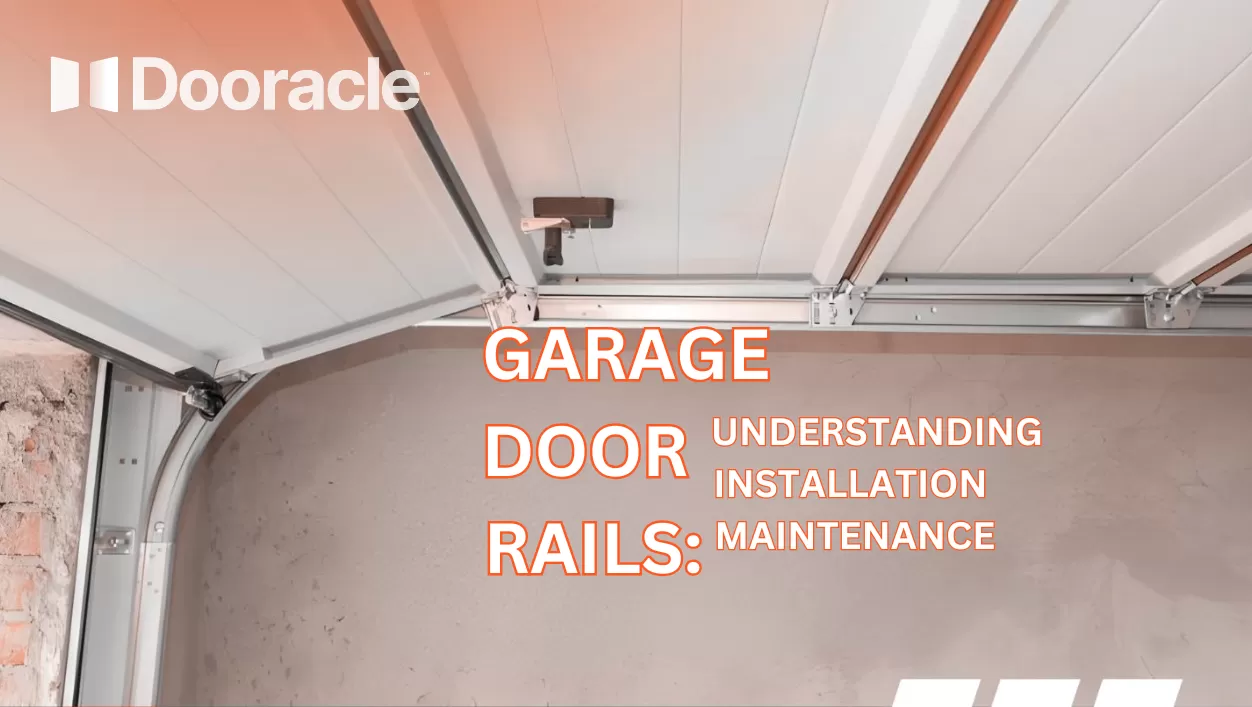
As the rollers move, these horizontal tracks are installed parallel to both floor and ceiling and provide guidance for them along their journey. Radius tracks and straight sections make up these tracks.
Vertical
Tracks
Vertical tracks run perpendicular to both floor and ceiling, linking the horizontal tracks with door sections. When compared with that of a standard ceiling mount, these tracks provide greater stability and support especially during the opening and closing steps.
Prepare the Area
Remove any obstacles or debris from in and around the garage door opening.
Put them Together
Follow the instructions from the manufacturer to fit the horizontal and vertical tracks together. They must be well joined and aligned to work properly.
Attach the Rails to the Wall
Each rail should be attached with sturdy brackets in a way that is absolutely level on either side of its mounting.
Install the Vertical Tracks
Next, put one of them on one side (with both screws through board and iron brackets) at the top and bottom.
Adjust and Align
Check the alignment levels of all tracks, adjusting them as necessary to ensure that they are not only straight, but also parallel with each other level from end to end.
Attach Rollers
Place garage door rollers on the horizontal rails ensuring they move freely along the track and are firmly attached.
Test Operation
This will fit to the task of testing your garage door to be sure that it runs smoothly and that all parts are aligned accordingly.
Essential Maintenance Tips
Regular maintenance keeps your garage door rails in top condition. Below are numerous important moments to practice maintenance and feedback.
Keep Tracks Clean
Once and for all, periodically clean the tracks with a soft brush or cloth pressing away any dirt, debris, or buildup which can affect smooth operation.
Lubricate Moving Parts
Apply a silicone-based lubricant to the rollers, hinges and surfaces of any tracks involved in movement to reduce friction and ensure smooth operation.
Inspect for Damage
Regularly check rails for signs of wear, damage or misalignment. Prompted fix these immediately to prevent further misalignment and problems.
Tighten Hardware
Make sure any loose bolts, screws or brackets are attended to on your garage door track so that they stay securely fastened.
Clear Obstructions
Remove from the tracks any obstructions or objects that might interfere with movement by shutting off your garage door at least temporarily.
Schedule Professional Maintenance
Plan on an annual visit by a garage door professional who can inspect your entire garage door system, including the rails.
Conclusion
Garage door rails are critical elements that significantly contribute to the efficiency and proper functioning of your garage door. Understanding the importance of garage door rails, choosing the best rails for your type of door, observing proper installation, and conducting regular maintenance are all effective steps to maintain them. Whether you’re replacing existing ones or installing new garage rails, maintaining them correctly is a necessary and critical step to ensure they last longer and serve you perfectly.